Garden Dispatch
Everything tech from around the world. Here lies our editor-reviewed archive of technical essays, hardware security research, historical findings, and engineering deep-dives.
The Antikythera Mechanism

Lost for 2,000 years
By Alex Mercer · Ed. Jordan Vance
The world’s oldest known analog computer, lost for 2,000 years.
Turing Engine Simulator

Mechanical ancestors
By Alex Mercer · Ed. Jordan Vance
The mechanical ancestors of modern computation and algorithms.
Daily Tech Research: Multi-GPU Interconnect Side Channels (NVBleed)

November 22, 2026
By Alex Mercer · Ed. Jordan Vance
How NVBleed (ACM CCS 2026) exploits NVIDIA NVLink and NVSwitch fabrics via unprivileged telemetry counters (LeakyCounterLink) and peer-to-peer link contention (ContenLink) to fingerprint AI workloads and cross-VM cloud rendering.
Supercharging Linux Paging: How bpf_fault Rewrites Memory Management

November 15, 2026
By Alex Mercer · Ed. Jordan Vance
What if operating system page fault handling didn't require massive performance penalties or context-switching overhead? How bpf_fault—winner of both the Best Paper and Distinguished Artifact awards at SOSP 2026—brings user-defined, in-kernel extensibility directly to Linux virtual memory.
Before Quantum Breaks Your Tech, Ask Your Vendors These Questions

November 10, 2026
By Alex Mercer · Ed. Jordan Vance
Why supply chain cybersecurity is ground zero for the post-quantum cryptographic transition—and how to audit your software stack across joint CISA, NSA, and ASD guidance.
Shakespeare Programming Language: Where Code Takes Center Stage

November 8, 2026
By Alex Mercer · Ed. Jordan Vance
What if software logic was written as dramatic dialogue? Discover how SPL transforms variables into tragic heroes and control flow into theatrical stage directions.
macOS Screen Sharing Flaw Shows Why Exposed Remote-Access Services Need Urgent Attention

November 6, 2026
By Alex Mercer · Ed. Jordan Vance
An actively exploited authentication bypass in macOS (CVE-2026-65400) allowed attackers to compromise internet-facing Macs without credentials—underscoring the critical risks of leaving remote management services exposed to the public internet.
How Hackers Can Use Electromagnetic Waves to Eavesdrop on Your Devices from Across the Room

November 2, 2026
By Alex Mercer · Ed. Jordan Vance
Breakthrough USENIX research reveals InjectEave: how active high-power RF injection turns everyday analog components into long-range transmitters that leak private audio and cryptographic secrets through solid walls.
Why Coding Agents Keep Stealing Your Secret Source Code (And How to Fix It)

October 5, 2026
By Alex Mercer · Ed. Jordan Vance
Traditional file permissions check who is asking for a file, not why. Here is how AI coding agents turn local compilers into data exfiltration tools—and how engineering teams can build purpose-based security boundaries.
A New Era of Reality: A Look at What's To Come in the Reality Space

October 1, 2026
By Alex Mercer · Ed. Jordan Vance
Instant, web-accessible 3D worlds powered by WebXR and cloud streaming are breaking down app store friction and physical headset limitations, ushering in the next frontier of spatial computing.
Vulnerability Analysis: Auditing Agentic MCP Servers via Tool Metadata

September 19, 2026
By Alex Mercer · Ed. Jordan Vance
A new paradigm in security auditing: MCPSEC identifies exploitable indirect prompt injection vulnerabilities across MCP servers using only JSON schema metadata.
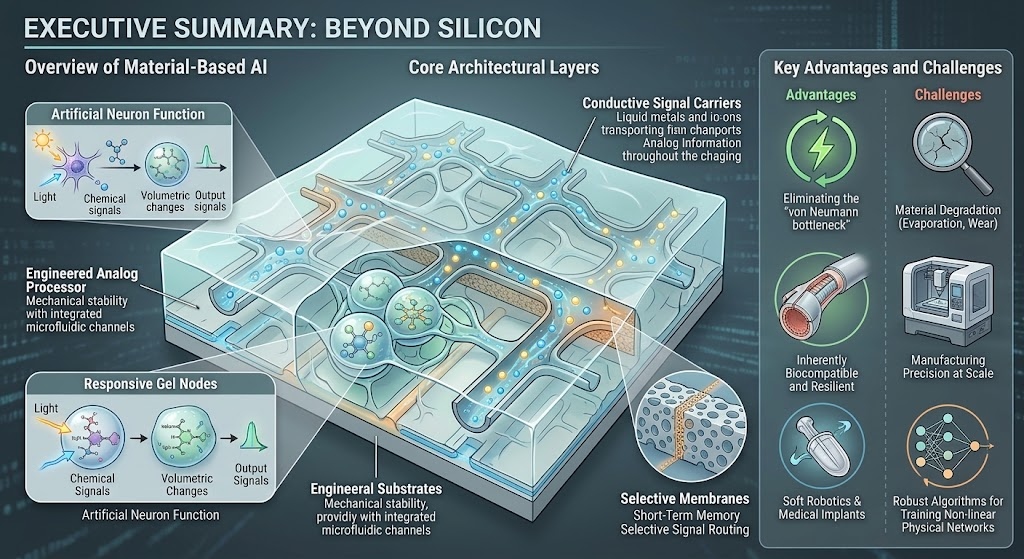
Beyond Silicon: The Material-Based AI Revolution
August 24, 2026
By Alex Mercer · Ed. Jordan Vance
This document explores the emergence of a new AI architecture that moves beyond traditional silicon chips toward systems built from responsive physical materials.
Ring 0 Goes Cognitive: Hackers Now Control Ring 0 Dynamically

August 17, 2026
By Alex Mercer · Ed. Jordan Vance
A new class of control where you aren't even looking. Attackers are embedding small, self-contained AI models into the system's reserved boot space.
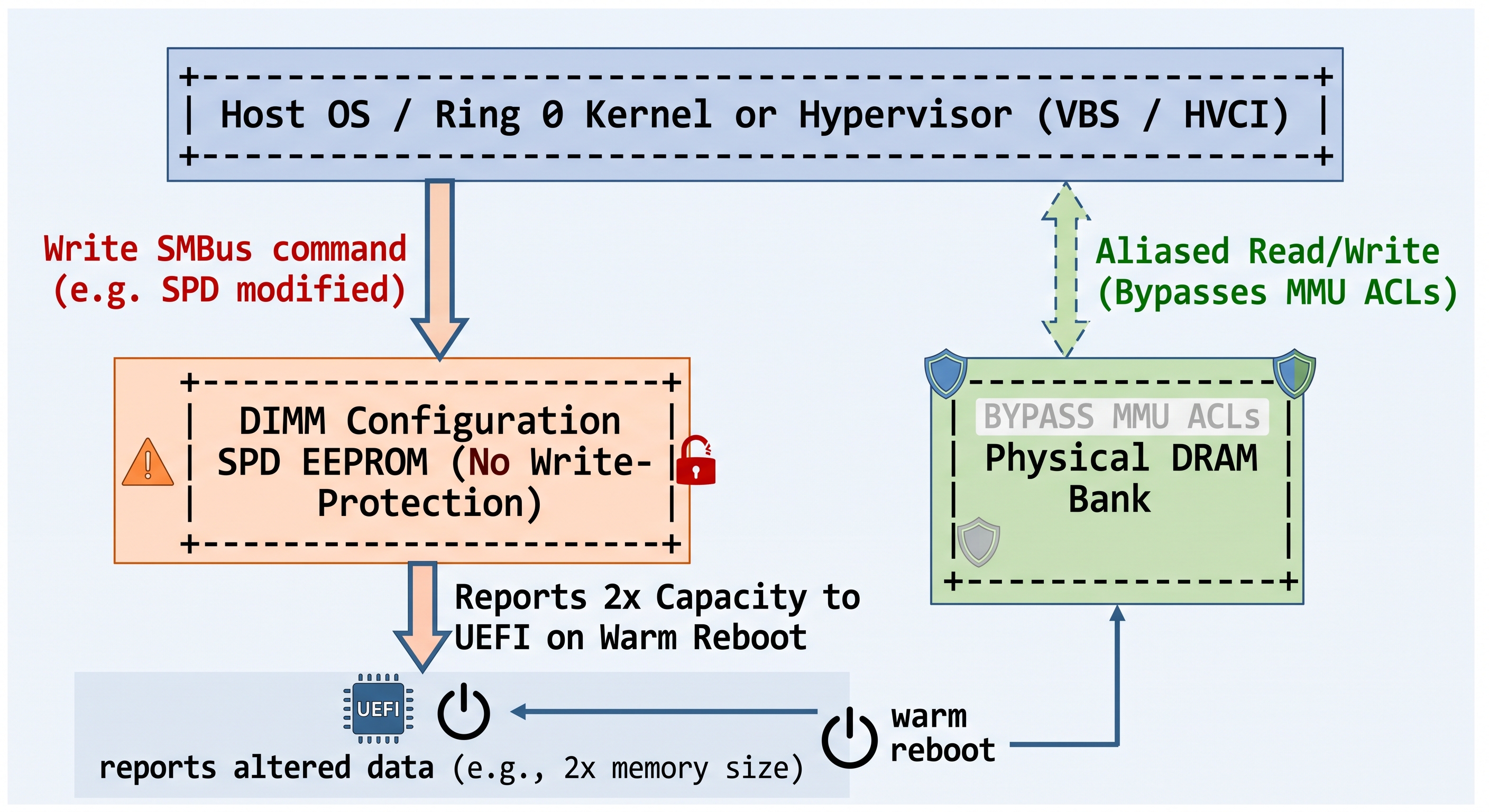
Physical Memory Desync Attacks, Bypassing OS Isolation via Unprotected SPD Chips.
August 17, 2026
By Alex Mercer · Ed. Jordan Vance
A breakdown of the 'Download More RAM' exploit technique that weaponizes unauthenticated Serial Presence Detect (SPD) chips on consumer DIMMs to bypass kernel and hypervisor access controls.
The Texas AI Super-Build: Data Centers, Terafab, and the Greatest Industrial Project in American History

August 2026
By Alex Mercer · Ed. Jordan Vance
Something extraordinary is happening on the plains of Texas: 8.5 GW of AI compute, Terafab's 110M sq ft gigafab, 18.5 million metric tons of material, and the geopolitical shift toward the Silicon Prairie.
The Evolving Threat Landscape: Smart TVs, IoT Botnets, and AI-Driven Deepfakes in 2026

August 8, 2026
By Alex Mercer · Ed. Jordan Vance
A comprehensive technical analysis of emerging attack surfaces and defense strategies across compromised smart TVs, weaponized IoT swarms, and AI-synthesized human impersonation.
A Swarm in the Architecture

August 6, 2026
By Alex Mercer · Ed. Jordan Vance
As monolithic LLMs reach parameter scaling plateaus, AI engineering pivots to Multi-Agent Systems (MAS). A deep-dive into graph state machines, actor models, latent communication, on-device NPUs, and TechGarden's local swarm tests.
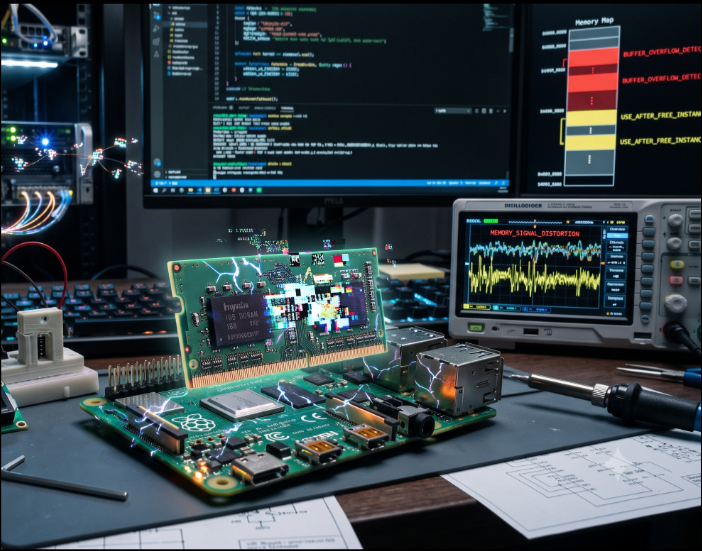
A Savior in the Silicon?
July 30, 2026
By Alex Mercer · Ed. Jordan Vance
We take a look under the hood of memory exploits, which remain built into the very foundation of modern technical infrastructure, from Ring 0 to userland.
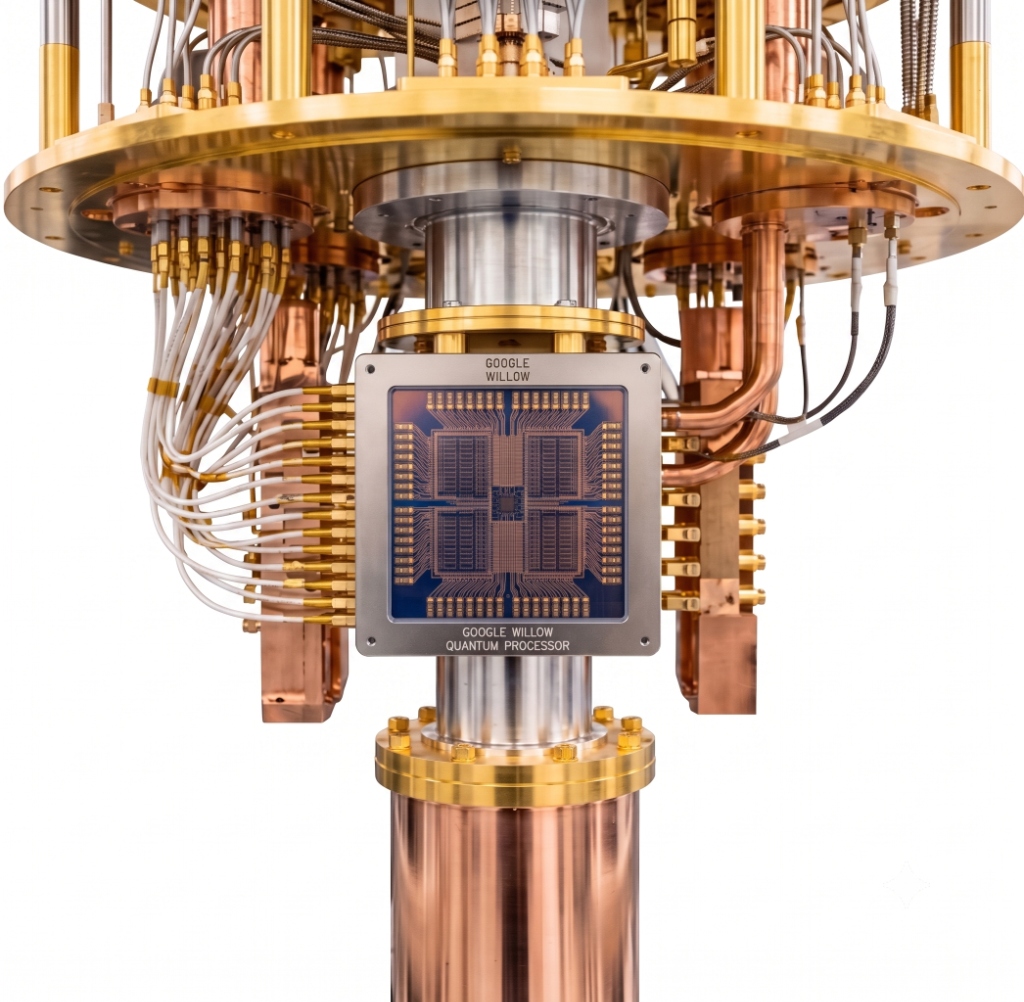
The Rise of Artificial Intelligence and Where We Go Next
July 17, 2026
By Alex Mercer · Ed. Jordan Vance
Exploring the physical boundaries of silicon, Google's Willow chip, IBM's Condor, and the inevitable transition into the quantum computing era.